Skip to content


Whether you wear baseball turf shoes or cleats, there are some things you’ll need in common between them. For example, quality in both cleats and turf baseball shoes can be defined by comfort and stability, supportiveness, anti-fatigue features, quality of construction, and breathability.
As in most debates, it’s not simply that one option is better than the other. Both baseball turf shoes and cleats have advantages. It comes down to comparative advantages, player preference, and of course, any other requirements.
Let’s take a closer look at the differences between baseball turf shoes and cleats, as well as some of the relative advantages of each.
Baseball Turf Shoes and Cleats: The Difference
Whether we’re talking about baseball turf shoes or baseball cleats, the basic function remains the same: to provide you with support and traction. However, they go about it in different ways.
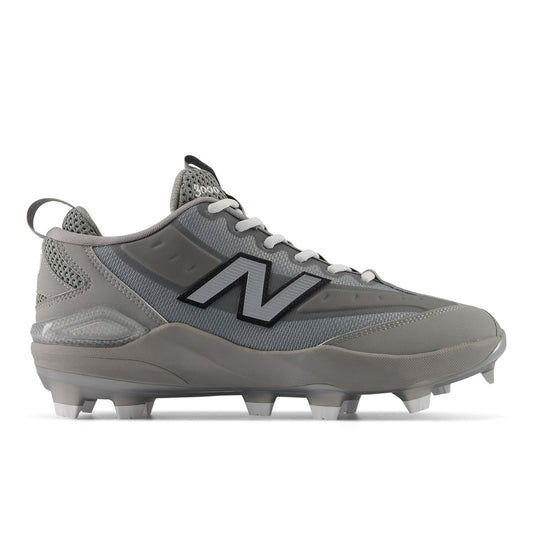
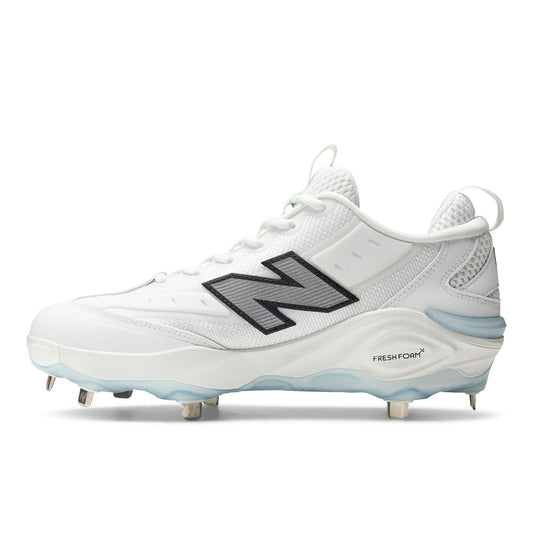
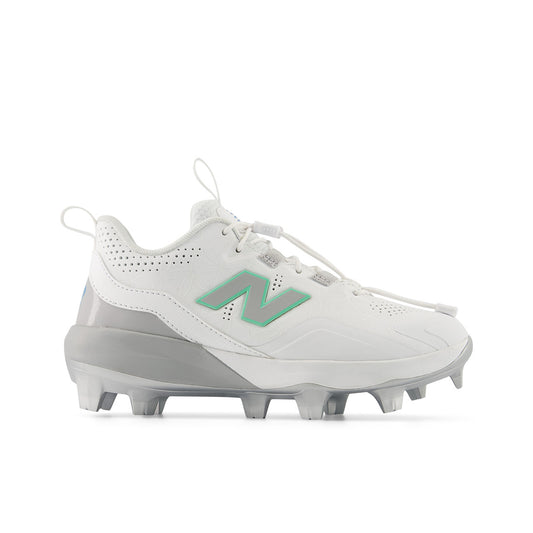
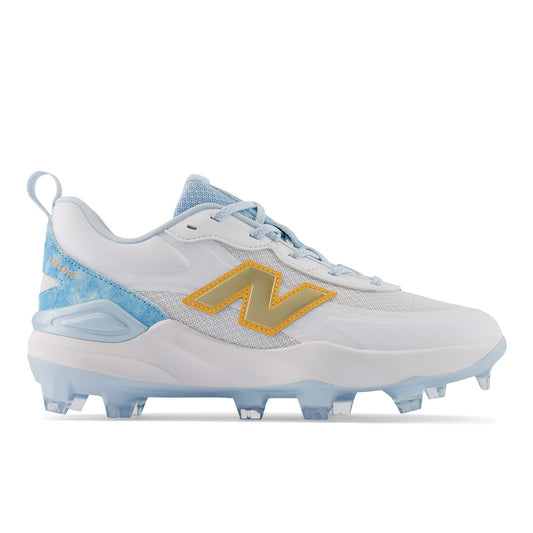
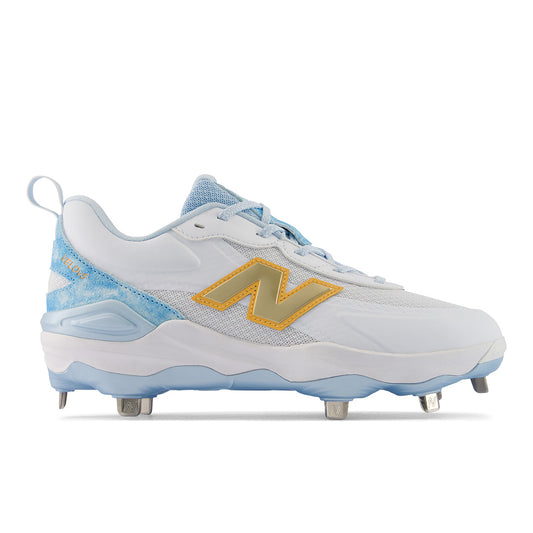
Cleats have aggressively studded soles. Most cleats wither have plastic blades or cones that dig into the ground, providing a baseball player extra traction when trying to maneuver across wet grass or mud. Some cleats even have thin metal blades arranged in a precise pattern that maximizes traction.
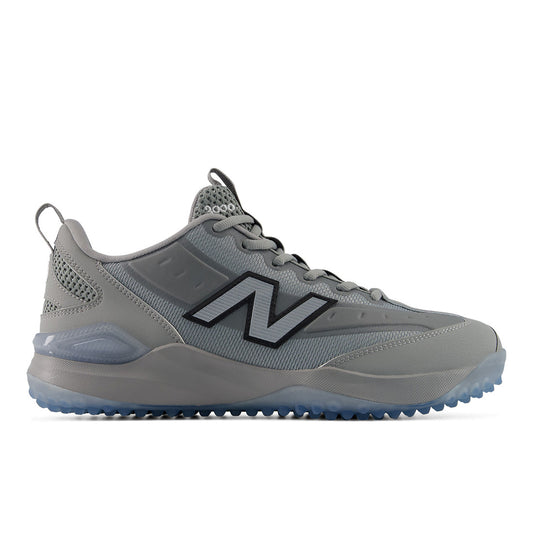
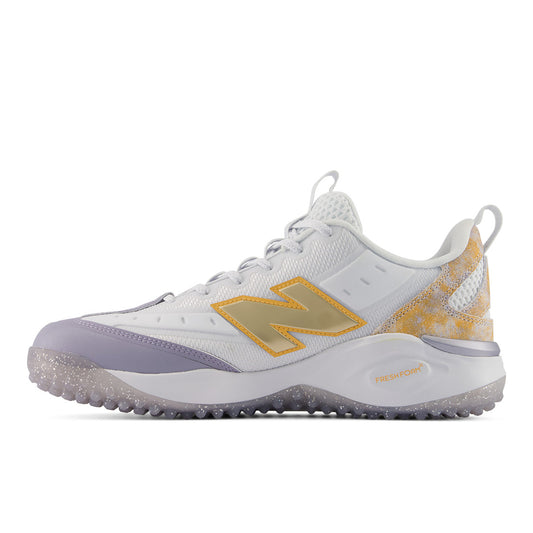
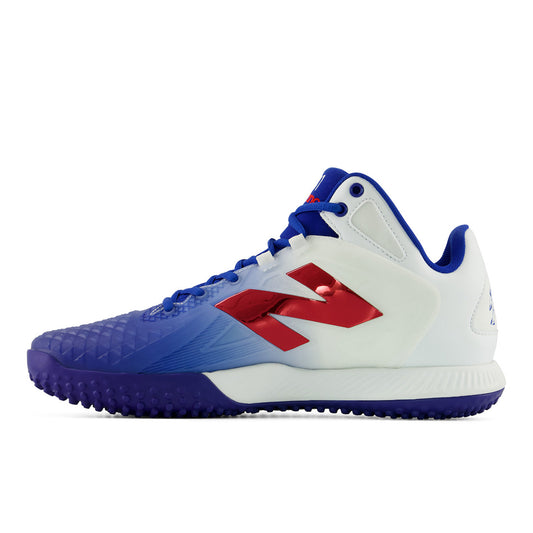
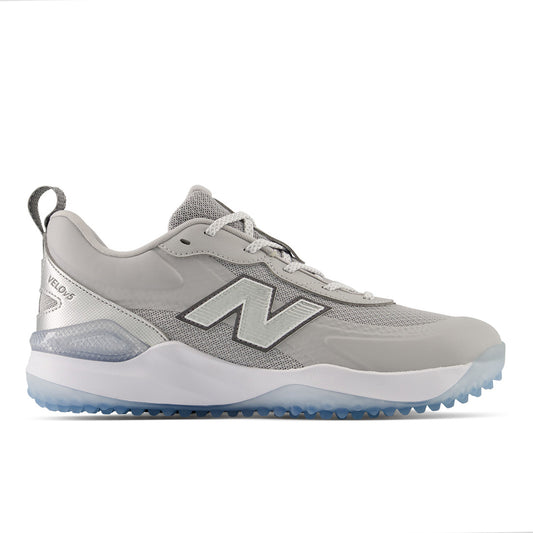
By contrast, baseball turf shoes lack these blades or cones. In fact, most baseball turf shoes, at first glance, don’t even appear to have a particularly aggressive tread. That said, they still afford excellent traction, comfort, and support.
In place of a cleat’s blades or cones, softball and baseball turf shoes have textured soles. They might appear flat in the side profile, but if you flip the shoes over and look at the soles, you’ll see that they often have a very aggressively dimpled or patterned texture. This feature maximizes the surface area in contact with the ground.
When Baseball Turf Shoes Are the Better Choice
Generally speaking, cleats provide superior traction on the wet or muddy ground. However, they also tend to destroy the surface on which players are running, cutting, and making plays. It’s not uncommon for players wearing cleats to send chunks of grass and mud flying as they make plays in the field.
While grass will grow back, the turf will not, making it cost-prohibitive to repair the damage that cleats will incur on artificial turf and other indoor surfaces. For that reason, cleats are forbidden on some artificial surfaces and frequently forbidden in indoor arenas as well.
This is where baseball turf shoes really shine. Although they lack the deep-biting traction of cleats, their aggressive textured soles excel at gripping turf, helping to prevent slipping and sliding just like cleats do, without the need for the blades and cones.
Wet turf is a little more slippery, but much of the time, turf shoes provide excellent traction on artificial turf, and especially on dry indoor surfaces.
Some wearers also feel that baseball turf shoes are more comfortable than cleats and since both turf shoes and cleats can be found with extra ankle support, opt for turf shoes simply on the basis of comfort.
However, that doesn’t mean that cleats are always at a disadvantage. Let’s give cleats their fair assessment.
Advantages of Cleats
While turf shoes are comfortable and in some situations provide plenty of traction and support, where they really fall short is on very sloppy, muddy fields. They’re even prone to slipping on very wet grass, even if the ground isn’t particularly muddy underneath.
This is where baseball cleats really take the upper hand. Players can be badly injured when slipping on mud or wet ground while straining to accelerate, change direction or make a play. Even cleats can slip, but the fact that they dig into the ground really makes a difference when it comes to player security and maneuverability.
Since cleats also have very stiff outsoles, they can also help prevent the injury commonly known as turf toe, a sprain of the big toe that results from abrupt acceleration, such as when cutting or breaking into a sprint.
Cleats can also be purchased in the high ankle and low ankle versions, to offer just the level of ankle support needed by players. They take a slight advantage when it comes to playing on the wet, muddy ground, offering support, and protecting players against injury.
Cleats vs. Baseball Turf Shoes: Key Takeaways

Baseball turf shoes are superior on dry turf and other indoor surfaces, and you might need to wear them anyway if the field you’re playing on won’t allow cleats.
Baseball cleats are better at providing traction on wet, muddy ground and their excellent support and stuff soles can help prevent injury, despite the fact that they rip up fields and turf.
It’s not that one is better or worse than the other. Let the situation dictate that.
Contact Us
Looking for turf shoes that will provide you excellent traction on a wide variety of surfaces? Check out our collection via the link in the previous section and get in touch with us at 1-888-540-BATS if you have any questions!