Skip to content


If you’re a parent of a Little Leaguer, you’ve probably heard the term “USA-sanctioned bat” or seen the USABat stamp on youth baseball bats. But what does it mean, why was it introduced, and how does it affect your child’s game? Let’s break it down in simple terms so you know exactly what to look for before stepping up to the plate this season.
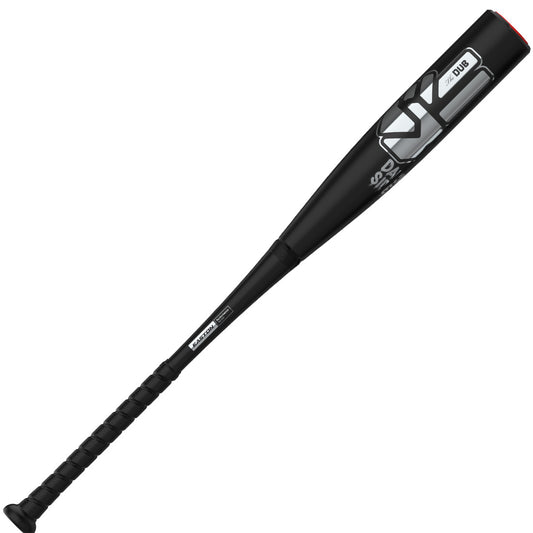
A USA-sanctioned bat, often referred to as a USABat, is one that meets the performance standard created by USA Baseball, the governing body for amateur baseball in the U.S.
All USABats feature a certification stamp on the barrel, which verifies the bat has been tested and approved. These bats are designed to perform closer to traditional wood bats, limiting the “trampoline effect” and ensuring a fairer, more consistent playing field across all youth levels.
Key points:
-
No drop-weight limit as long as the bat meets the standard.
-
Barrels up to 2 5/8" are allowed.
-
Wood bats are always permitted, even without the stamp.
- To date, the following organizations are participating per USA Baseball; AABC, Babe Ruth Baseball, Cal Ripken Baseball, Diamond Youth Baseball, Diamond Boys Baseball, Little League Baseball, PONY baseball, NABF, and Dizzy Dean Baseball.
Why Did Little League Make the Change?
For many years, youth baseball used the BPF 1.15 standard, which allowed for more “lively” bats, especially with new composite materials. While these bats were fun to swing, they created uneven advantages and, in some cases, inconsistent performance as bats broke in.
Little League and USA Baseball decided it was time for a change. By moving to the USABat standard, they aimed to:
-
Level the playing field by reducing the impact of “hot bats.”
-
Standardize performance across all lengths and weights.
-
Preserve the integrity of the game, putting more emphasis on fundamentals and skill rather than equipment.
It’s worth noting that this change was not about making the game safer, youth baseball is already one of the safest sports. Instead, the goal was long-term fairness and consistency.
When Did the Change Happen?
The announcement was made in 2015, and the new rule officially went into effect on January 1, 2018.
- From that date forward, all bats used in Little League Tee Ball, Minor, and Major Divisions must be USABat certified.
-
Intermediate (50/70) and Junior League divisions allow either USABat or BBCOR bats.
-
Senior League requires BBCOR bats only.
Older bats approved under the BPF 1.15 standard became illegal starting in 2018, and families needed to purchase new USABat models to remain compliant.
What Changed for Players and Parents?
Here’s a quick breakdown of what changed:
-
Performance: Bats now perform closer to wood, with less trampoline effect.
-
Barrel Size: Larger barrels (up to 2 5/8") are allowed in youth divisions.
-
No Drop Limit: Players can choose bats in a wide range of weights as long as they’re USABat approved.
-
Certification & Decertification: Bats are tested, certified, and may even be decertified later if performance drifts outside the standard.
For players, this means less reliance on equipment advantages and more focus on bat speed, swing mechanics, and fundamentals.
Looking Ahead: What It Means for the Future of Little League
The USABat standard isn’t going anywhere. It’s become the foundation for youth baseball moving forward, and it helps ensure that games are decided by skill, not by which team bought the “hottest” bat.
Parents and coaches should expect:
- Ongoing innovation in bat design within the performance limits.
- Greater emphasis on teaching mechanics and fundamentals, which ultimately helps players develop for higher levels of the game.